







Historical Records Scanning
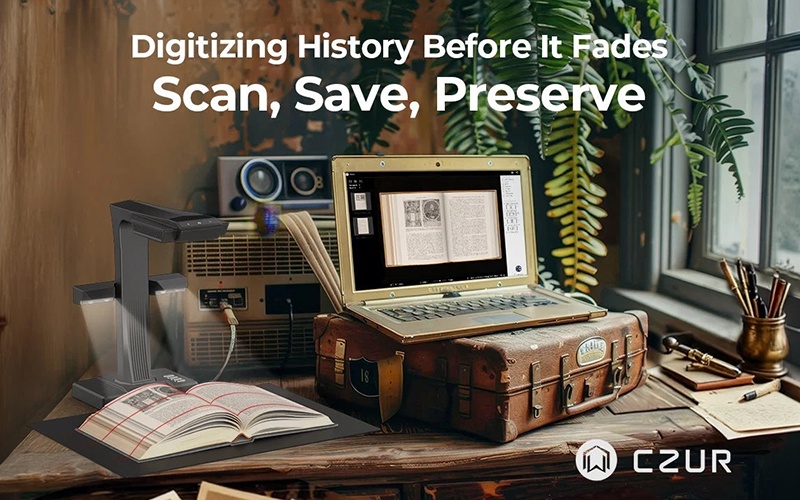
Historical records preserve information that may not exist anywhere else. Old books, manuscripts, archives, and other paper records can contain valuable details about people, organizations, and events. However, physical documents become harder to access as they age. Frequent handling can also increase the risk of fading, tearing, or other damage.
Historical document scanning offers a way to preserve these records while making them easier to use. A well-planned scanning process can create high-quality digital copies without putting unnecessary pressure on fragile pages or bindings. Once digitized, these records can also be searched, organized, backed up, and accessed without repeatedly handling the originals.
But digitizing historical records is more than simply taking pictures of old pages. Resolution, color accuracy, document handling, OCR, file formats, and storage all affect the quality and long-term value of the digital archive. In this guide, we’ll explain how historical document scanning works, what to consider when choosing scanning technology, and how to manage scanned files for long-term preservation. Read the full guide to learn more.


